
A Natural Choice for Healthy Skin
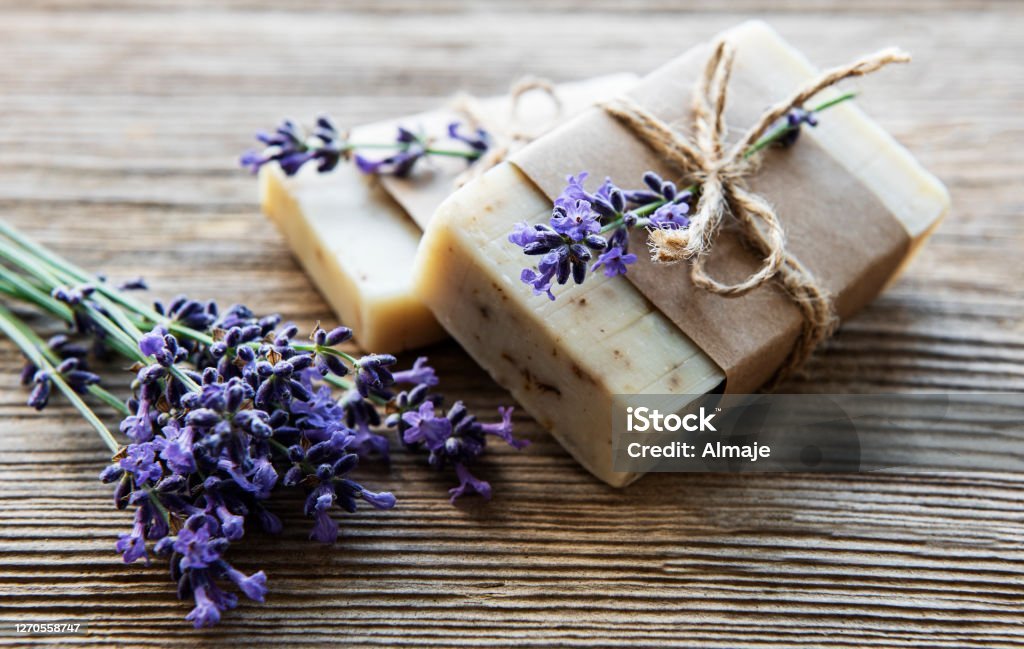
In a world where people are becoming increasingly conscious of what they put on their skin, handmade soaps have emerged as a popular alternative to conventional commercial soaps. Made in small batches using carefully selected oils, butters, botanicals, clays, essential oils, and other natural ingredients, handmade soaps offer a more personal and thoughtful approach to everyday skincare.
Unlike mass-produced soaps, which are often manufactured on a large scale and may contain synthetic fragrances, artificial colors, and strong cleansing agents, handmade soaps are generally created with a focus on quality, craftsmanship, and skin-friendly ingredients. Each bar is unique, and many makers design their products for different skin types and preferences.
But what exactly makes handmade soap special? What benefits can it offer, and how can you choose the right one for your skin? Let’s explore the world of handmade soaps and discover why they have become a favorite among skincare enthusiasts.
What Are Handmade Soaps?
Handmade soaps are cleansing bars produced using traditional soap-making techniques rather than large-scale industrial manufacturing processes. Many artisans make their soaps in small batches, giving them greater control over the ingredients, texture, fragrance, and appearance of each bar.
One of the most common methods is the cold-process method. In this process, oils or fats are combined with an alkaline solution, usually sodium hydroxide, in a carefully controlled chemical reaction called saponification. During saponification, the oils and lye transform into soap and naturally occurring glycerin.
The soap is then poured into molds and allowed to cure for several weeks. This curing period helps the bar become harder, longer-lasting, and milder for everyday use.
Handmade soap can contain ingredients such as coconut oil, olive oil, shea butter, cocoa butter, castor oil, aloe vera, oatmeal, honey, turmeric, charcoal, herbs, clays, and plant-based extracts. Depending on the formulation, these ingredients can contribute different characteristics to the finished bar.
1. Made With Carefully Selected Ingredients
One of the biggest attractions of handmade soap is the ability to choose ingredients carefully.
Many handmade soap makers use plant-based oils and natural additives. Ingredients such as olive oil and shea butter are commonly included because they can help create a pleasant, conditioning feel on the skin. Oatmeal is often used in products designed for gentle cleansing, while clays can contribute to the soap’s texture and cleansing properties.
Because handmade soaps are often produced in small batches, makers can pay close attention to the quality and proportions of their ingredients.
However, “natural” does not automatically mean “better” for everyone. Some natural ingredients, particularly essential oils and botanical extracts, can irritate sensitive skin. Reading the ingredient list and choosing products appropriate for your skin is therefore important.
2. Natural Glycerin Can Help Prevent Excessive Dryness
Glycerin is a naturally occurring component of properly made soap. It is a humectant, meaning it attracts and helps retain moisture at the skin’s surface.
Commercial soap manufacturing may involve processes that remove glycerin from the soap for use in other products. In many traditional handmade soaps, naturally produced glycerin remains in the finished bar.
This can contribute to a comfortable cleansing experience, particularly when the soap is formulated with a balanced combination of oils and butters.
Still, the overall formula matters. Even a handmade soap can feel drying if it is too strongly cleansing for a particular person’s skin. People with very dry or sensitive skin may prefer especially mild formulations.
3. A Personalized Approach to Skincare
Another advantage of handmade soaps is the variety available.
Instead of using one generic formula for everyone, handmade soap makers often create different bars for different preferences and skin needs. You may find soaps designed with ingredients such as:
- Oatmeal for gentle cleansing
- Aloe vera for a soothing feel
- Shea butter for a rich, conditioning texture
- Clay for a deeper-cleansing sensation
- Charcoal for a clean, refreshed feel
- Honey for a naturally rich formulation
- Botanical ingredients for added sensory appeal
This variety makes it easier to experiment and find a soap that suits your preferences.
People with sensitive skin should be particularly careful when choosing scented soaps. Fragrance and essential oils can cause irritation in some individuals, so fragrance-free or minimally scented options may be preferable.
4. Handmade Soaps Can Provide a Rich Bathing Experience
Using handmade soap is not only about cleansing. It can also turn an ordinary shower or bath into a more enjoyable self-care ritual.
A beautifully crafted soap may have a distinctive fragrance, creamy lather, natural color, or interesting texture. Ingredients such as lavender, citrus, peppermint, or rose can add an appealing sensory experience.
The experience of using a handmade soap can make daily skincare feel more intentional. Rather than simply reaching for a mass-produced bar, you can choose a product based on its ingredients, scent, appearance, and purpose.
For many people, this small change can make everyday routines feel more relaxing and enjoyable.
5. Small-Batch Craftsmanship
Handmade soaps are often produced in relatively small quantities. This allows soap makers to focus on the details of each batch.
Small-batch production can provide greater flexibility in creating unique formulas, seasonal collections, limited-edition fragrances, and specialty soaps.
It also gives customers an opportunity to support independent artisans and small businesses.
Every handmade bar may have subtle differences in color, shape, texture, or pattern. These variations are part of the charm of handmade products and reflect the craftsmanship involved in making them.
6. Potentially Less Packaging
Many handmade soap businesses place an emphasis on simple packaging. Some sell soap bars wrapped in paper, placed in recyclable boxes, or packaged with minimal materials.
Reducing unnecessary packaging can help decrease the amount of waste associated with personal-care products.
However, sustainability depends on more than packaging alone. The ingredients, sourcing, manufacturing process, transportation, and disposal of the product also matter.
When purchasing handmade soap, consumers interested in sustainability can look for brands that clearly explain their packaging choices and sourcing practices.
7. An Alternative to Heavily Fragranced Commercial Products
Fragrance is one of the most noticeable characteristics of many commercial personal-care products. Some people enjoy strong fragrances, while others prefer something more subtle.
Handmade soaps often offer a wider range of fragrance choices, including lightly scented, essential-oil-based, and fragrance-free options.
For people who prefer minimal fragrance, an unscented handmade soap may provide a simpler bathing experience.
It is worth remembering that essential oils are still highly concentrated aromatic substances. “Natural fragrance” does not necessarily mean non-irritating, so individuals with sensitive skin should choose products carefully.
8. Handmade Soaps Can Be a Thoughtful Gift
Handmade soaps make attractive and practical gifts because they combine everyday usefulness with a personal touch.
A collection of beautifully packaged soaps can be used for birthdays, weddings, festivals, housewarming celebrations, corporate gifts, or holiday hampers.
Artisan soap makers often create gift sets featuring complementary fragrances and ingredients. These sets can be customized according to the recipient’s preferences.
Because handmade soaps are available in many colors, shapes, fragrances, and designs, they can also add an attractive element to a bathroom or guest room.
9. Supporting Local and Small Businesses
Choosing handmade soap can also mean supporting independent creators and local businesses.
Small soap businesses often depend on direct customer relationships and repeat purchases. Buying from these businesses can help support artisans, entrepreneurs, designers, packaging suppliers, and other members of the local economy.
Many small businesses also provide information about how their products are made, where ingredients are sourced, and what values guide their production.
For consumers who want to know more about the products they purchase, this transparency can be an important part of the buying experience.
10. Handmade Soap Can Be More Than Just a Cleansing Product
Modern skincare is increasingly focused on the overall experience of personal care. Handmade soaps fit naturally into this approach.
A soap bar can combine cleansing with fragrance, texture, visual appeal, and carefully selected ingredients. Some soaps are created specifically to provide a luxurious bathing experience, while others are designed with simplicity and minimalism in mind.
This allows customers to choose products according to their lifestyle and preferences rather than simply purchasing the most convenient option.
Choosing the Right Handmade Soap
Although handmade soaps offer many appealing qualities, choosing the right product is important.
Start by considering your skin type.
For Normal Skin
People with normal skin can generally experiment with a wide variety of formulations. A balanced soap containing oils such as olive, coconut, or castor oil may provide an enjoyable everyday cleansing experience.
For Dry Skin
If your skin tends to feel dry after bathing, consider formulations designed to be mild and conditioning. Soaps containing ingredients such as shea butter, cocoa butter, or olive oil may be appealing.
Avoid very aggressive cleansing formulas and pay attention to how your skin feels after washing.
For Sensitive Skin
If your skin is sensitive, look for simple ingredient lists and fragrance-free or lightly scented options. Avoid introducing several new products at the same time so you can identify what works for you.
If you have a diagnosed skin condition or persistent irritation, consider discussing suitable cleansing products with a dermatologist.
For Oily Skin
People with oily skin may prefer soaps that provide a clean, fresh feeling without leaving the skin feeling excessively stripped. Clay-based formulations are sometimes chosen for this reason.
However, excessively harsh cleansing can leave skin feeling uncomfortable, so stronger cleansing is not necessarily better.
How to Make Handmade Soap Last Longer
Handmade soaps can soften if they are left sitting in water. Proper storage can help extend the life of your soap bar.
After using the soap, place it on a draining soap dish or raised soap tray where water can run away from the bar. Allowing the soap to dry between uses helps it remain firm.
Avoid keeping the bar directly under a continuous stream of water.
If you have several handmade soaps, rotating them can also allow each bar to dry properly between uses.
Understanding the Difference Between Handmade and Natural
It is important to understand that the words “handmade” and “natural” are not interchangeable.
A handmade product may contain synthetic fragrance or cosmetic ingredients, while a natural product may not necessarily be handmade.
Similarly, “organic,” “natural,” “chemical-free,” and “handmade” can have different meanings depending on the product and the claims made by the manufacturer.
Consumers should look at the actual ingredient list rather than relying only on marketing terms.
A trustworthy soap maker should be willing to explain the ingredients used, recommended storage conditions, fragrance information, and appropriate uses for the product.
Why Handmade Soap Is Becoming Popular
The growing interest in handmade soap reflects a broader shift toward conscious consumption.
Consumers increasingly want to understand what they are buying and how products are made. They may prefer products with recognizable ingredients, minimal packaging, small-batch production, or a connection to independent artisans.
Handmade soap combines many of these qualities.
It can provide a simple alternative to highly processed personal-care products while also offering an opportunity to explore different ingredients, fragrances, textures, and designs.
For many people, the appeal is not simply that handmade soap is “natural.” It is the combination of craftsmanship, ingredient transparency, variety, and the enjoyable experience of using something made with care.
Final Thoughts
Handmade soaps offer a refreshing approach to everyday personal care. From carefully selected oils and butters to botanical ingredients, natural glycerin, beautiful designs, and unique fragrances, each bar can provide a distinctive bathing experience.
They can also support small businesses, encourage thoughtful purchasing, and in some cases reduce unnecessary packaging.
At the same time, it is important to remember that everyone’s skin is different. An ingredient that works beautifully for one person may not suit another. Natural ingredients can still cause irritation, and handmade does not automatically mean that a product is suitable for every skin type.
The best approach is to read the ingredient list, understand your skin’s needs, choose products from reputable makers, and pay attention to how your skin responds.
Ultimately, handmade soap is about bringing a little more thought and craftsmanship into an everyday routine. Whether you prefer a creamy shea butter bar, a refreshing citrus soap, a gentle oatmeal formulation, or a simple fragrance-free cleanser, there is a handmade option for many different preferences.
A small bar of soap may seem like an ordinary household product, but when it is thoughtfully formulated and carefully crafted, it can transform a simple daily routine into a more enjoyable and mindful self-care experience.